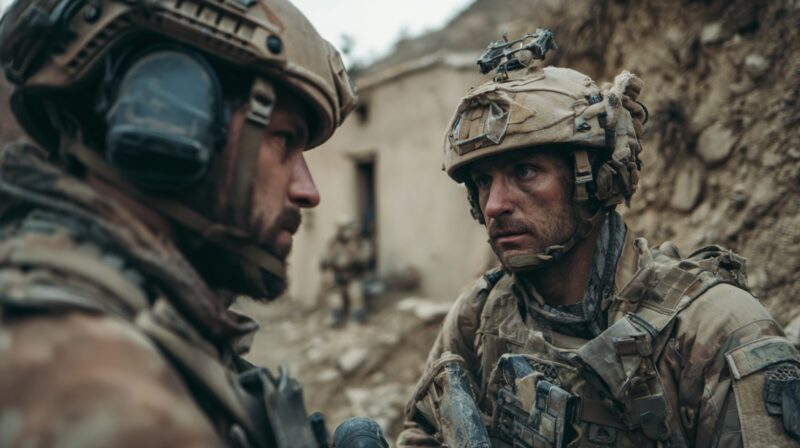
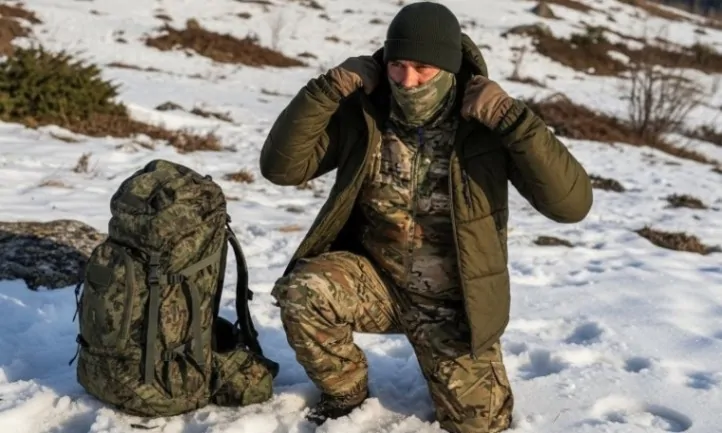
Cold weather patrols place extreme pressure on both equipment and decision-making.
Sub-zero temperatures compress reaction time and punish minor oversights at a rapid pace.
Gear that performs well in mild conditions can fail quickly once snow, wind, and freezing moisture enter the equation.
Proper preparation creates resilience against cold-related injuries and operational breakdowns.
Fieldcraft practices drawn from military cold-weather doctrine and law enforcement winter operations show that survival and mission effectiveness depend on disciplined gear selection and environmental control.
Fundamentals of Cold Weather Operations
View this post on Instagram
Cold environments compress decision time and magnify consequences. Human performance, mechanical reliability, and sustainment systems all degrade as temperatures fall.
Effective operations depend on anticipating environmental stressors before exposure begins, then managing them continuously during movement, halts, and security tasks.
Why Cold Weather Demands Specialized Preparation
Operational requirements continue despite snow accumulation, ice, or freezing winds.
Readiness must factor in conditions that actively reduce strength, dexterity, awareness, and endurance.
Cold exposure turns minor oversights into cascading failures that affect both individual survival and team effectiveness.
Ranger field manuals warn that discomfort tolerated in mild climates can escalate into cold injuries and medical emergencies once freezing conditions dominate.
Several environmental stressors consistently degrade performance and require active control during planning and execution:
- Wind chill accelerates heat loss and defeats insulation when outer layers fail.
- Moisture increases conductive heat loss and drains energy reserves rapidly.
- Ground contact removes warmth faster than ambient air due to conduction.
- Cold stiffens materials and reduces fine motor control under stress.
Control of these variables remains a constant requirement during patrol movement, security halts, observation periods, and rest cycles.
Layering System – Personal Micro-Climate Control
Cold weather clothing functions as an integrated system rather than isolated garments. Proper layering creates a controlled thermal zone that manages perspiration, retains heat, and blocks environmental exposure.
Adjustments allow regulation of body temperature during sustained movement, short halts, and static observation tasks without sacrificing mobility or readiness.
Layered clothing traps insulated air close to the body while allowing moisture to escape. Sweat control remains essential since damp clothing accelerates heat loss once movement slows.
Modular construction allows rapid changes without removing load-bearing equipment.
Operational context determines insulation needs, as continuous movement generates heat while static positions demand greater thermal retention.
Effective layering supports multiple mission profiles:
- Foot patrols generate heat and require breathability.
- Hide sites demand insulation with minimal movement.
- Vehicle operations require fast adjustment during repeated dismounts.
Base Layer – Moisture Management
Base layers rest directly against skin and transport perspiration outward before it cools. Merino wool and synthetic polyester perform best due to rapid drying and odor resistance during extended wear.
Cotton presents a serious hazard since absorbed moisture remains trapped and accelerates hypothermia.
Material selection must match activity level and temperature range:
- Heavy wool layers perform best in extreme cold below zero degrees Fahrenheit.
- Lightweight synthetic layers suit moderate cold combined with sustained movement.
- Fast-drying fabrics reduce friction, rashes, and cold stress during long shifts.
- Effective moisture control preserves insulation value across all upper layers.
Mid Layer – Thermal Insulation
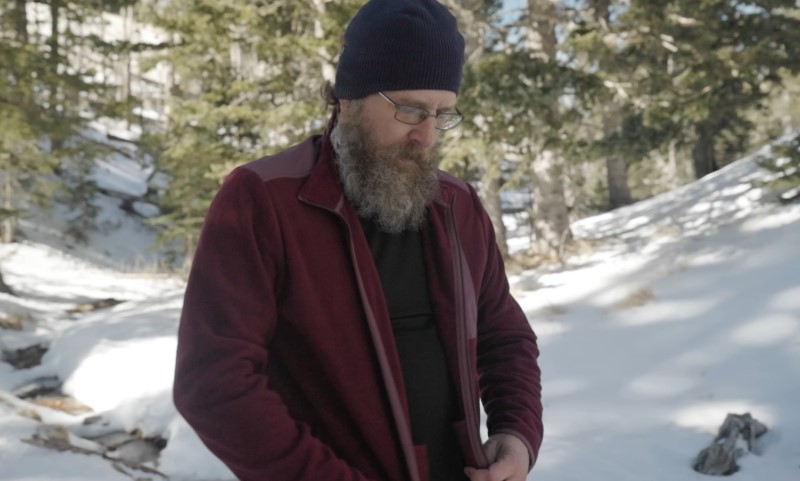
Mid layers trap body heat while allowing excess warmth to escape during exertion. Fleece, merino wool, and polyester insulation balance warmth and breathability in freezing environments.
Multiple thin insulating layers allow precise temperature control without adding bulk.
Insulation strategy affects mobility and task performance:
- Compact insulation prevents interference with weapon manipulation.
- Layer stacking allows rapid adjustment during halts.
- Breathable materials reduce sweat buildup under load.
Proper mid-layer selection maintains warmth while preserving agility and endurance.
Shell Layer – Element Protection
Shell layers block wind, snow, and freezing precipitation while allowing moisture vapor to escape.
Waterproof breathable materials prevent saturation without trapping sweat.
Durable water-repellent treatments cause snow and moisture to bead and shed instead of soaking fabric.
Outer layer design must support operational equipment:
- Modular sizing accommodates plate carriers and chest rigs.
- Reinforced fabrics resist abrasion during movement in snow and ice.
- Adjustable vents regulate airflow during high-output activity.
Effective shells protect insulation integrity under harsh weather exposure.
Critical Gear Components
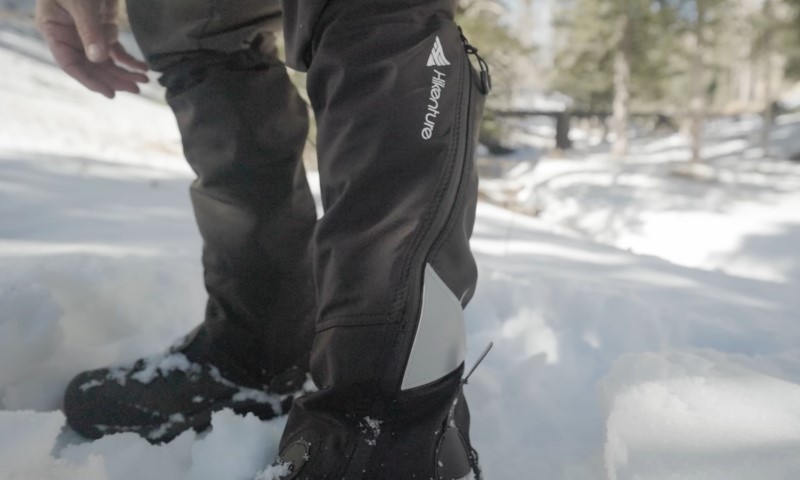
Cold-weather operations demand focused protection of extremities. Heat loss concentrates rapidly at the head, hands, and feet, creating early performance degradation if neglected.
Hands, Head, and Feet
Head insulation significantly affects overall heat retention. Toques, balaclavas, and insulated hoods reduce exposed surface area and preserve core temperature.
Hand protection requires a layered glove system that balances warmth and dexterity.
A reliable extremity protection setup includes several key elements:
- Thin liner gloves support weapon handling and fine motor tasks.
- Insulated outer gloves provide wind and moisture protection.
- Removable shells allow drying and temperature regulation.
Foot care demands equal attention.
Layered socks using a thin liner and thick wool outer sock manage moisture while retaining warmth. Waterproof insulated boots prevent frostbite and conductive heat loss.
Gaiters block snow intrusion and protect pant cuffs. YEYETAC™ offers mission-ready medical and survival accessories, including trauma kits, thermal blankets, and field-friendly first aid tools, that support rapid treatment of cold-weather injuries during patrols.
Face Protection
Facial skin remains highly exposed during cold exposure. Scarves, face shields, and fleece balaclavas reduce frostbite risk and protect against windburn.
Proper fit allows airflow without trapping condensation.
Moisture management around the face remains critical:
- Breath vapor must vent outward to prevent ice buildup.
- Materials should resist saturation during prolonged wear.
- Coverage must not restrict vision or communication.
Ground Insulation and Field Shelter
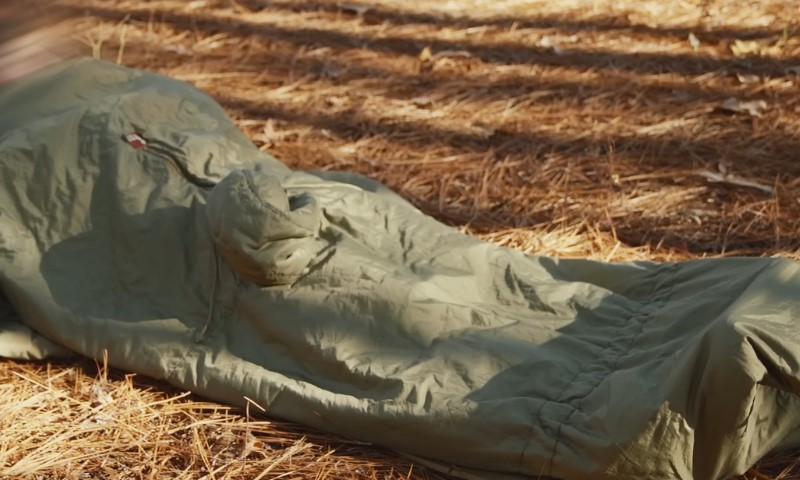
Heat loss increases dramatically during rest cycles due to inactivity and ground contact.
Insulation planning must prioritize separation between the body and cold surfaces before overhead protection.
Conductive Heat Loss and Ground Contact
Ground contact strips body heat faster than cold air due to direct conduction. Insulation under the body takes priority over shelter roofs or wind walls.
Sleeping pads, insulated mats, or improvised bedding provide essential separation.
Effective ground insulation methods include:
- Bough beds eight to twelve inches thick using dry debris.
- High-loft sleeping pads that resist compression.
- Layered natural materials when issued systems are unavailable.
Compressed insulation loses effectiveness, making material selection and placement critical during halts and overnight positions.
Shelter Construction Principles
Wind exposure multiplies heat loss and increases fatigue. Terrain features such as tree lines, ridges, or snow banks provide natural wind protection.
Shelter orientation must account for prevailing wind direction to reduce exposure.
Shelter efficiency depends on several construction principles:
- Lean-to openings positioned away from wind.
- Reduced internal volume to retain heat.
- Fast-deploy tents used when terrain limits construction options.
Proper shelter placement preserves warmth and conserves energy during extended cold exposure.
Fire Use and Heat Management
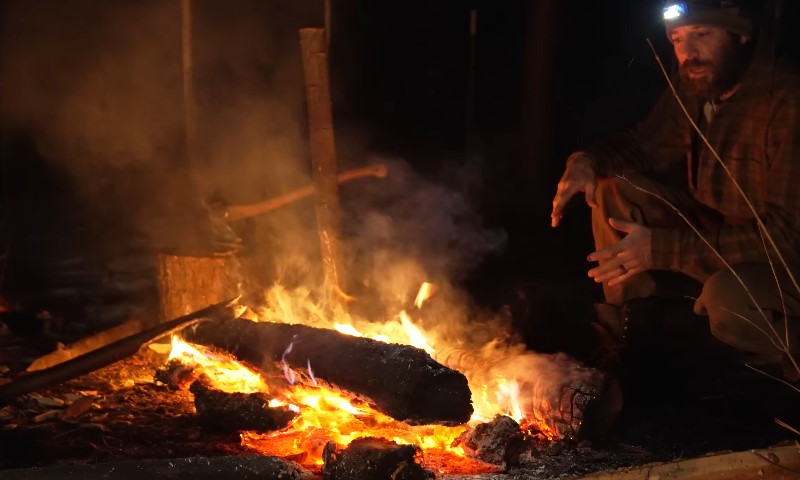
Fire provides warmth, drying capability, and morale benefits but introduces tactical risk. Use decisions must align with mission constraints and signature discipline.
Tactical Fire Considerations
Fire use depends on mission variables including enemy presence, visibility, and operational security. Light, smoke, and odor create detection risk.
Situations requiring stealth demand reliance on clothing systems, shelter placement, and wind protection instead of flame.
Command judgment determines acceptable use based on risk tolerance and mission priority.
Efficient Fire Lays
Fire construction techniques affect heat output, concealment, and fuel efficiency. Specific layouts suit different operational needs and terrain limitations.
Common fire configurations support various requirements:
- Dakota fire holes reduce visibility and smoke signature.
- Lean-to fires perform well in windy conditions.
- Tepee fires generate rapid heat for warming or water boiling.
- Cross-ditch fires function when digging tools are unavailable.
Selection must match terrain, fuel availability, and security posture.
Drying Wet Gear
Moisture rapidly degrades insulation performance. Fire heat must dry equipment without damaging synthetic materials.
Improvised reflector walls increase efficiency and direct warmth toward drying gear.
Effective drying practices include:
- Rotating socks and gloves frequently.
- Suspending layers at safe distance above flame.
- Avoiding direct contact with heat sources.
Maintaining dry layers preserves thermal protection during prolonged operations.
Gear Maintenance and Winterization
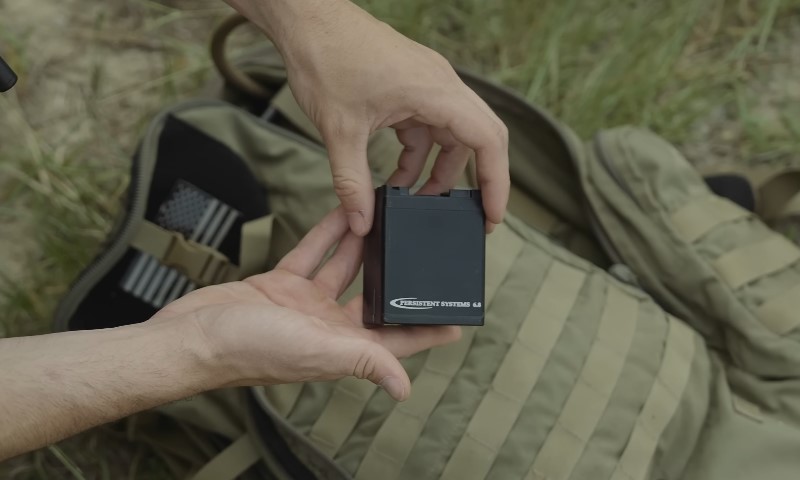
Cold weather stresses equipment as much as personnel. Preventive maintenance reduces failure risk during critical moments.
Preparing Equipment for Cold Conditions
Low temperatures stiffen plastics and weaken elastic components. Protective covers shield load-bearing gear against snow and ice buildup. Waterproof pouches and rain covers preserve mission-essential items.
Pre-mission checks must verify cold performance:
- Zippers and buckles tested under freezing conditions.
- Hook-and-loop closures cleared of ice.
- Moving parts inspected for brittleness.
Recommended Accessories
Supplemental equipment increases survivability and flexibility during winter patrols.
Emergency insulation and modular systems support rapid adaptation without full gear removal.
High-value cold weather accessories include:
- Emergency survival blankets and thermal bivy sacks.
- Snow gaiters and traction spikes.
- Multi-fuel ignition tools for cold conditions.
Proper preparation transforms cold exposure into a manageable operational factor rather than a mission-ending threat.
The Bottom Line
Cold weather patrols demand discipline, planning, and constant awareness of environmental threats. Insulation alone cannot prevent cold-related injuries without moisture control and proper layering. Core temperature protection, extremity management, and mobility preservation determine operational endurance. Proper preparation transforms extreme cold into a controllable factor rather than a mission-ending threat.